

ELECTRICITY GENERATION
Generating Electric Power
 Electricity generation involves the process of generating electric power from various sources of primary
energy. About two-thirds of U.S. electricity is generated from fossil fuels, (coal, natural gas, and
petroleum). Some utility customers are given the option on which alternate electricity company they want
to use as their supplier. After the customer chooses, the supplier then acts as a distributer of
electricity to the customer's meter and then charges for the sevice.
Electricity generation involves the process of generating electric power from various sources of primary
energy. About two-thirds of U.S. electricity is generated from fossil fuels, (coal, natural gas, and
petroleum). Some utility customers are given the option on which alternate electricity company they want
to use as their supplier. After the customer chooses, the supplier then acts as a distributer of
electricity to the customer's meter and then charges for the sevice.
The Discovery
The basic principles of electricity generation were discovered during the 1820's and 30's by a British scientist named Michael Faraday. His basic method is still used today where electricity is generated by the movement of a loop of wire, or disc of copper between the poles of a magnet. For electric utilities, it is the first process in the delivery of electricity to consumers.
Helpful Links
Electric Power Industry
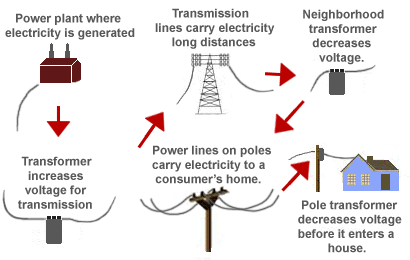
The other processes of electricity generation, electricity transmission, distribution, and electrical power storage using pumped-storage methods are normally carried out by the electric power industry. Electricity is most often generated at a power station by electromechanical generators, primarily driven by heat engines fueled by chemical combustion or nuclear fission but also by other means such as the kinetic energy of flowing water and wind. Other electricity generation energy sources include solar photovoltaics and geothermal power.